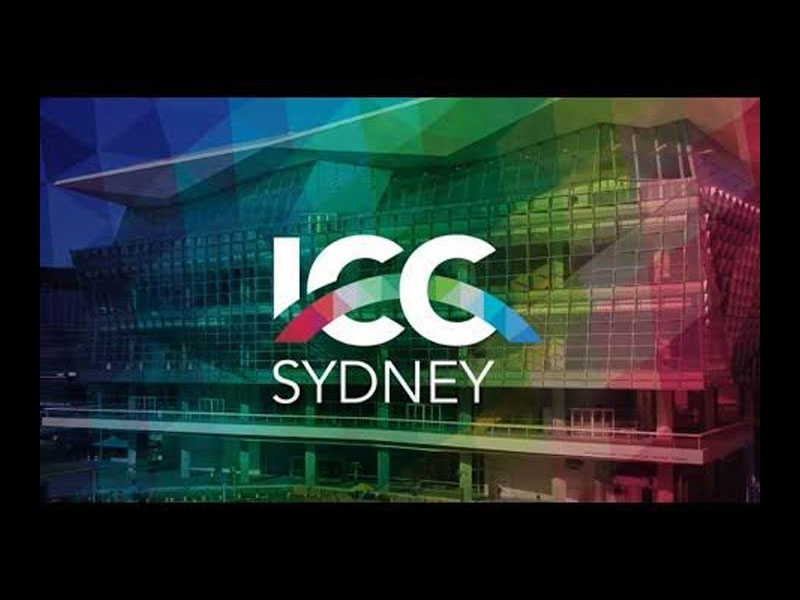
ICC Sydney is expanding its rooftop solar network to create the Southern Hemisphere’s largest CBD solar farm and move closer to fully renewable electricity
Sydney, Australia, 8 September 2026 – Sydney is turning a major city landmark into a large-scale source of clean energy. The International Convention Centre Sydney, known as ICC Sydney, is set to expand its rooftop solar network across its Convention Centre, Exhibition Centre and Entertainment Centre. Once completed, the project is expected to become the largest solar farm located in a central business district in the Southern Hemisphere.
The planned solar installation will cover more than 18,400 square metres and generate about 2.6 gigawatt-hours of electricity each year. That is roughly enough electricity to meet the annual needs of 300 to 400 average Australian homes.
The project is part of ICC Sydney’s wider sustainability strategy. By combining electricity generated from its rooftop solar system with renewable electricity purchased from the grid, the venue expects to operate using 100 percent renewable electricity.
The expansion will also give ICC Sydney a stronger position among sustainable convention centres worldwide. Based on annual solar generation, the venue is expected to become the fourth-largest solar-powered convention centre globally and the largest outside the United States.
The development is significant because large urban buildings have considerable energy needs but limited space for traditional solar farms. ICC Sydney’s project demonstrates how unused rooftop areas can become valuable sources of renewable power without requiring additional land.
The venue already has solar infrastructure, with its existing photovoltaic system helping supply part of its electricity needs. Newer and lighter solar panel technology has made it possible to expand the system across additional rooftop areas that previously faced weight limitations. The expanded system is expected to significantly increase the venue’s solar generation capacity.
The environmental benefits are also expected to be substantial. The expanded solar network is forecast to reduce ICC Sydney’s carbon emissions by approximately 1,800 to 2,000 tonnes each year. This is equivalent to the annual carbon absorption capacity of around 100,000 mature trees, according to the New South Wales Government.
The project also reflects a growing shift in the business events industry. International conference and exhibition organisers are increasingly considering environmental performance when choosing venues. For large events, the energy used by lighting, cooling, technology and other operations can contribute significantly to their overall carbon footprint.
For ICC Sydney, renewable energy is therefore more than an environmental initiative. It can also strengthen the venue’s appeal to organisations looking for sustainable event locations. The centre says the expanded solar network will help clients reduce the environmental impact of events hosted at the venue.
Sydney’s project highlights a wider opportunity for cities around the world. As urban areas become more crowded, rooftops can provide an important space for renewable energy generation. Convention centres, shopping centres, offices, airports and other large buildings can potentially use their existing structures to produce clean electricity close to where it is needed.
The ICC Sydney expansion shows how renewable energy can become part of everyday urban infrastructure. Instead of relying only on large solar farms located outside cities, more businesses are looking at their own buildings as potential clean energy assets.
With its expanded rooftop network, ICC Sydney is positioning itself at the intersection of renewable energy, sustainable buildings and the future of green events. The project could also demonstrate how major venues can reduce emissions while supporting the growing demand for environmentally responsible business destinations.













Latest News